What to Coach on a SaaS Sales Team: The 5 Skills Your Team Needs (2026)
You can run a perfect coaching session on the wrong thing. Here's what to coach a sales team in SaaS, the five skills that decide deals, and how a leader diagnoses which to start with.
Carla Macciocu
Sellcrafter
You can run a perfect coaching session on the wrong thing. Most teams coach whatever came up loudest last week, or whatever the manager is personally good at.
The question that actually matters is which skills decide whether a deal closes, because those are the only ones worth building a coaching program around.
After enough hours inside SaaS deals, the same five skills carry most of them. Coach these and you are ahead of most of the reps your team is competing against.
This is what to coach, the signal that tells you each one is broken, and how to decide which to start with.
What “what to coach” actually means
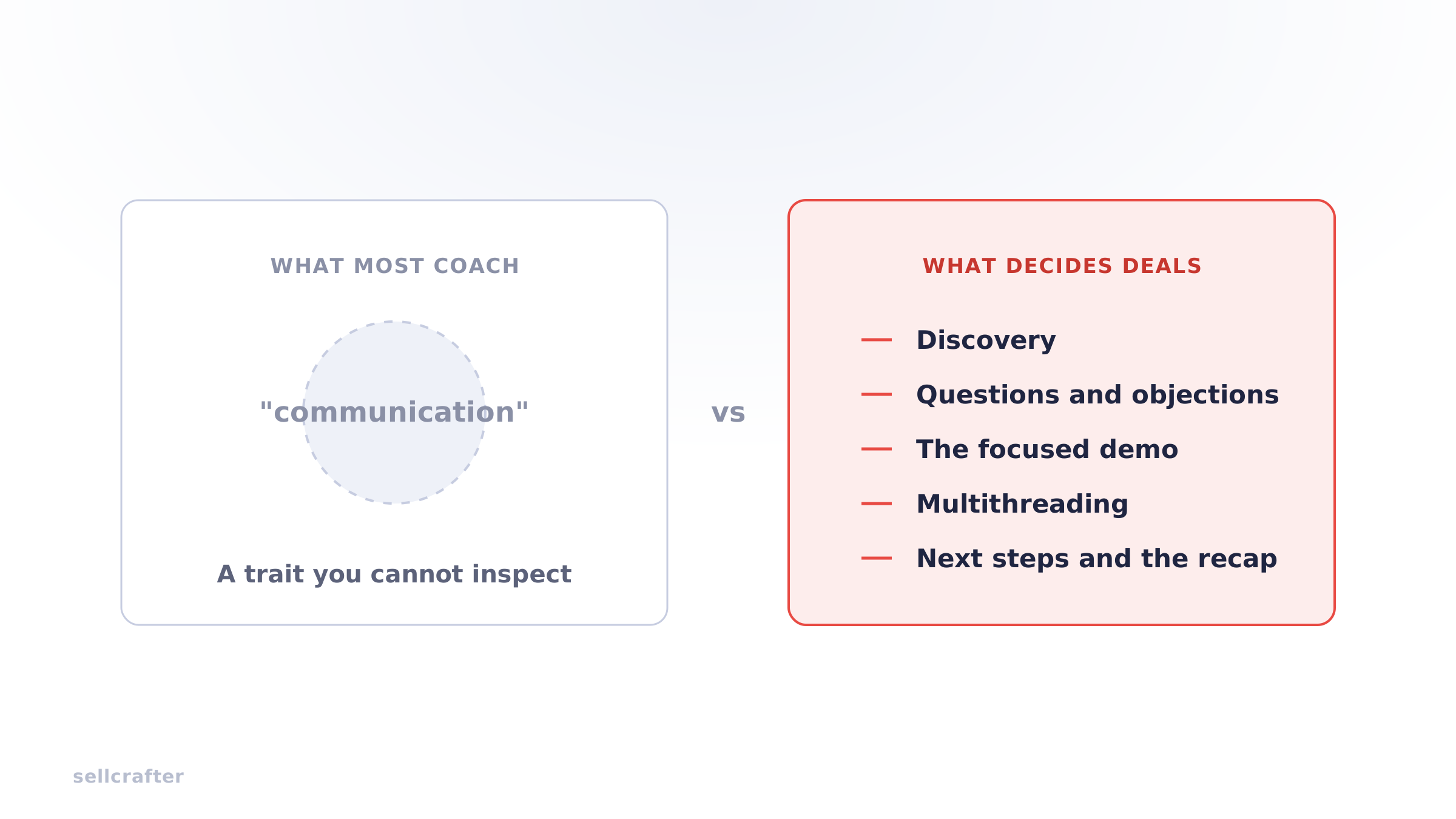
A coaching topic has to be an observable skill that shows up on calls and moves deals. If you cannot see it in a call recording, a deal review, or a follow-up, you cannot coach it, and it does not belong in your program.
That rules out most of what gets called coaching. “Be more consultative,” “build more confidence,” “improve communication” are traits, not skills.
They give a manager nothing to inspect and a rep nothing to do differently on the next call. The five below are specific behaviors you can watch, score, and reinforce.
Why teams coach the wrong things
The first mistake is coaching the loudest recent problem. One deal blew up, so the next session is about that, and the skills quietly losing deals every week never get touched.
The second is coaching traits instead of behaviors. Confidence and communication feel important, but you cannot review a call for them, so nothing changes.
The third is coaching product knowledge forever. It feels productive and it is easy to run, while the deal-deciding skills go uncoached. The signal that this is happening is simple: the same deals die at the same stage every quarter.
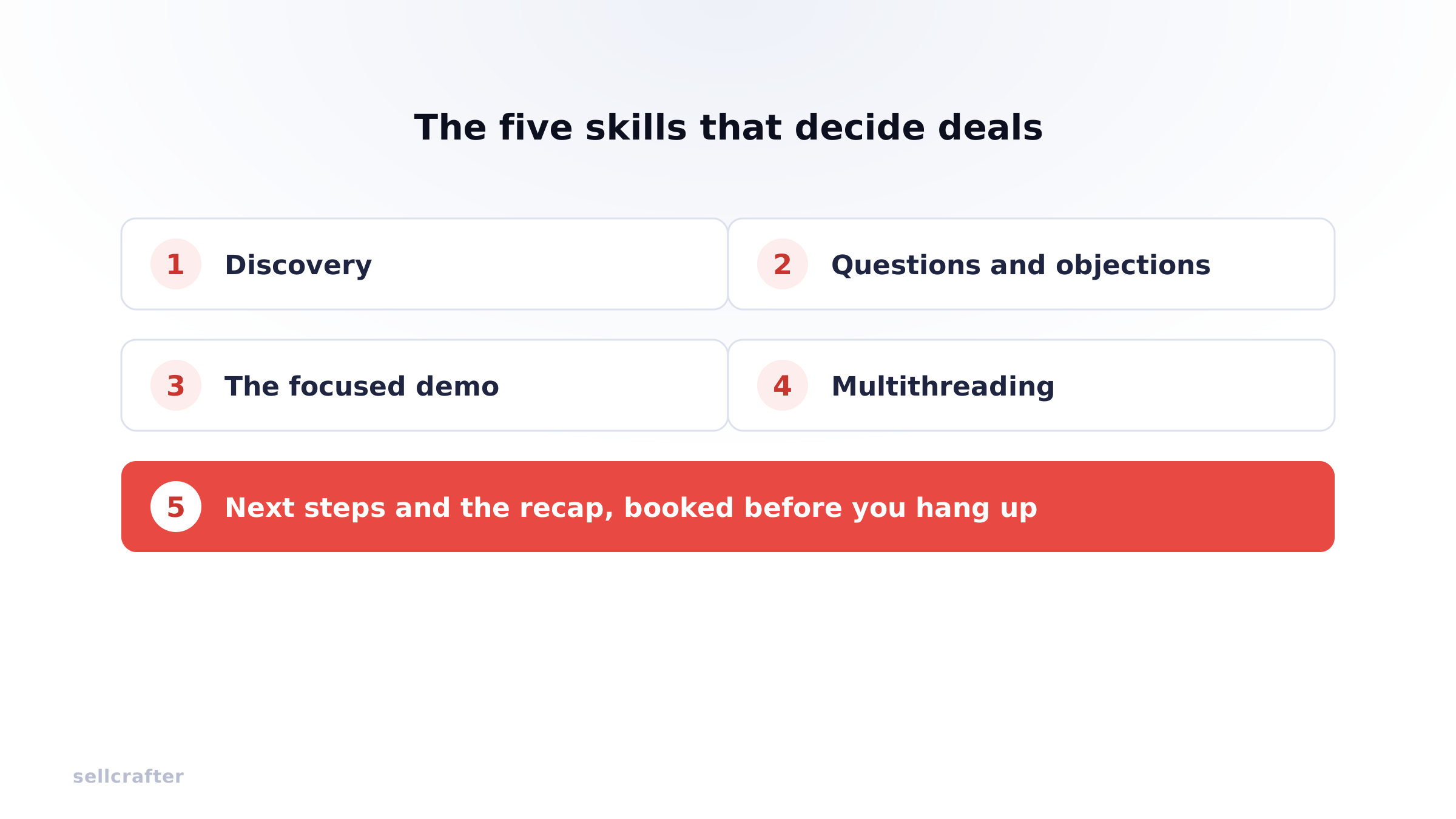
The five skills to coach
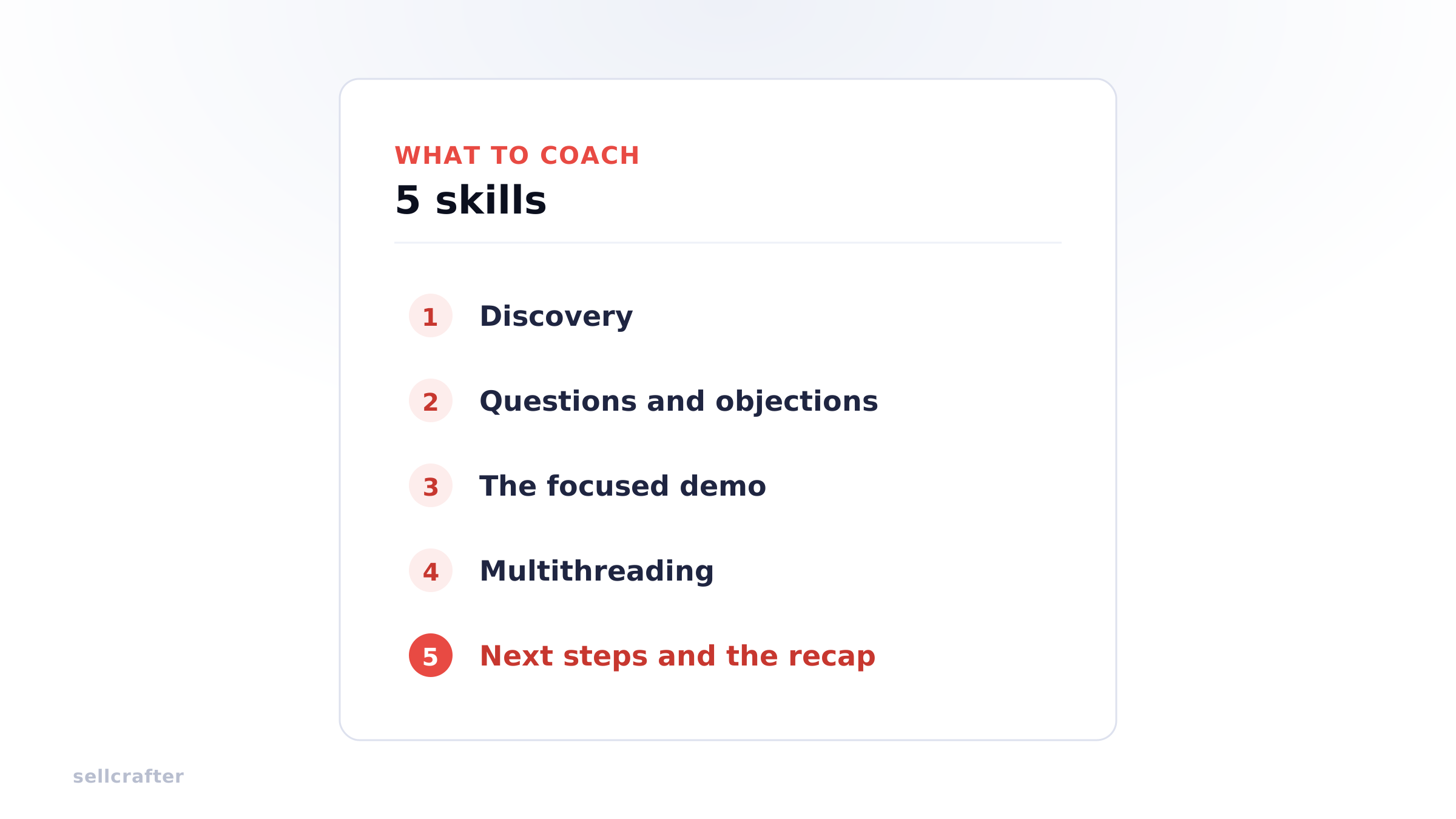
Discovery: digging from situation to problem. The skill is getting the prospect to state the problem and its cost out loud, instead of accepting a situation and pitching.
The signal it is broken is a rep pitching in the first few minutes of a call. This is the highest-leverage skill to coach first, and it has its own standard in the discovery methodology.
Handling questions and objections by asking why first. The skill is treating a question or an objection as a signal to understand, not a cue to answer.
A prospect asks about a Slack integration and the rep explains the integration, learning nothing, instead of asking why it matters. The signal is reps answering immediately with a scripted response. This is where handling objections as a coached standard comes in.
The focused demo. The skill is showing only what maps to the prospect’s stated pain, validated out loud, in ten minutes rather than a forty-five minute tour.
The signal is a rep talking most of the call and showing features nobody asked about. The focused demo has its own scorecard.
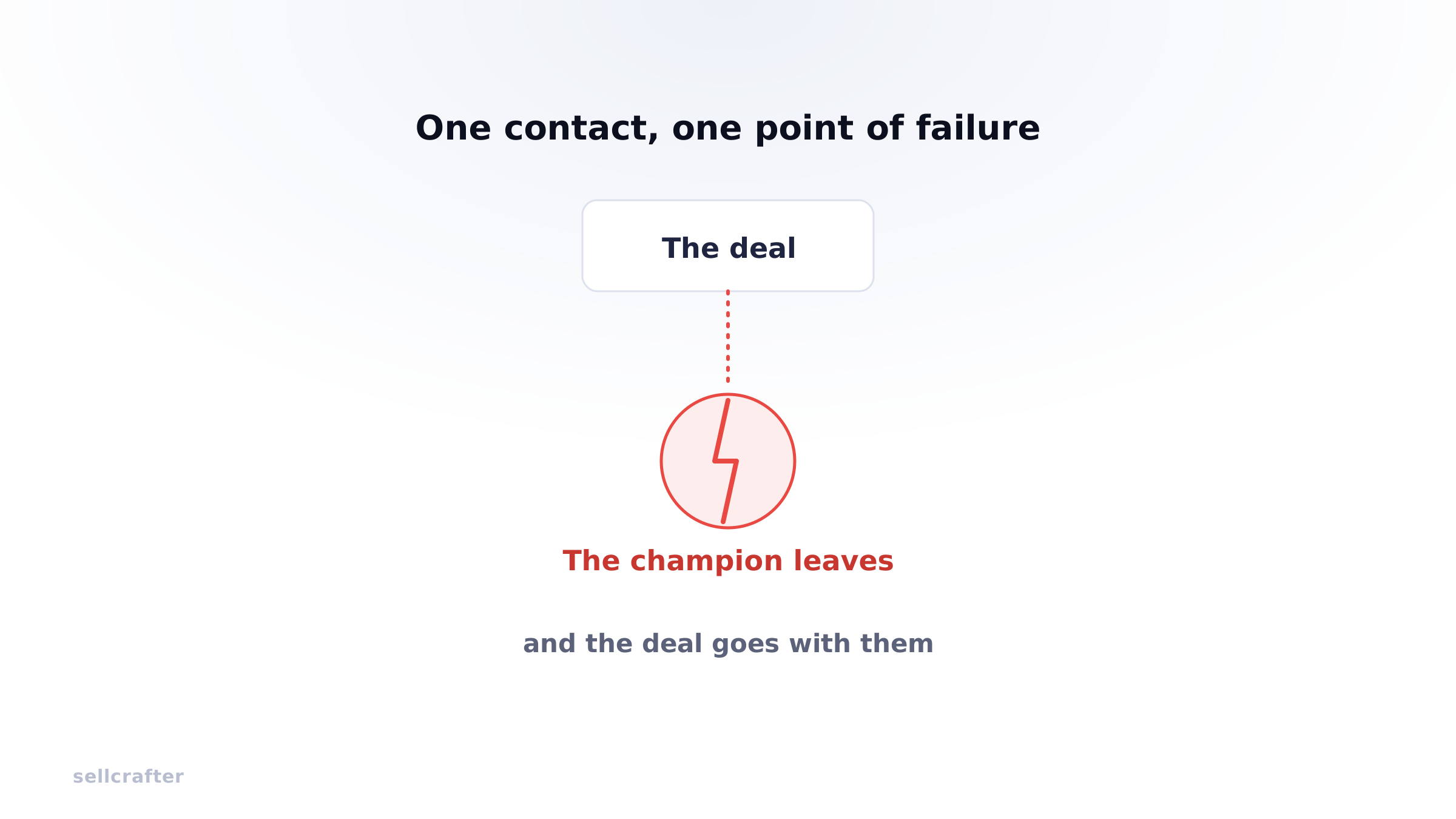
Multithreading. The skill is never letting a deal rest on one contact. Champions get promoted, get laid off, or move on, and when they go the deal often goes with them.
The signal is a deal where only one name ever appears. Two questions on the first call catch it: who else wants this solved, and who might think it is the wrong approach.
Next steps and the recap. The skill is closing every call with a specific next meeting booked, and sending one short recap that a prospect can forward internally.
The signal is a pipeline full of “circling back next week” with nothing on the calendar. A prospect who likes you will still forget you if the next step is not booked before you hang up.
Deciding what to coach and building the program around it is most of what I do for B2B SaaS teams. If you would rather hand that off than figure out the curriculum yourself, that is the engagement, and you can book a call to talk it through.
How a leader picks what to coach first, and inspects it
You do not guess the priority, you diagnose it. Listen to call recordings and read the pipeline. Where deals consistently die tells you which of the five to coach first.
If deals stall right after discovery, coach discovery. If they die after the demo, coach the demo. If they go dark late with a single contact, coach multithreading.
Then check whether it is a rep problem or a team problem. If one rep is weak on a skill, that is individual coaching. If every rep is weak on the same skill, that is a program gap, and your playbook is not teaching it. The recordings tell you which.
Once you know what to coach, run the session so it actually changes behavior, one skill at a time, reinforced on real calls until it sticks.
The one decision
Coaching whatever comes up spreads your effort across things that do not move deals.
The decision is whether to build your coaching program around the five skills that decide SaaS deals, diagnosed from your own calls, or keep running sessions on the loudest recent problem.
Discovery, handling questions and objections, the focused demo, multithreading, and next steps. Diagnose which is weakest, coach that, and reinforce it until it holds.
I’m Carla. I build sales enablement systems for B2B SaaS teams from zero and hand them off, coaching programs included. If you want a coaching program built around the skills that actually move your deals, and your managers trained to run it, this is what I do.
FAQ
What should I coach my sales team first? The skill where deals consistently die in your call reviews. Diagnose it from recordings and the pipeline before picking a topic.
Is product knowledge worth coaching? Some, but it is where teams overspend because it is easy. The five deal-deciding skills usually need the attention more.
How is this different from a sales training curriculum? Training transfers information across many topics. This is the short list of observable skills that decide deals, coached and reinforced on real calls.
How do I know a skill is actually broken? It shows up in recordings and the pipeline: reps pitching too early, single-threaded deals, demos with no validation, next steps that never get booked.
Written by
Carla Macciocu
Sales enablement consultant working with B2B SaaS teams from Seed to Series C. Runs Pimp My Playbook out of Sellcrafter.